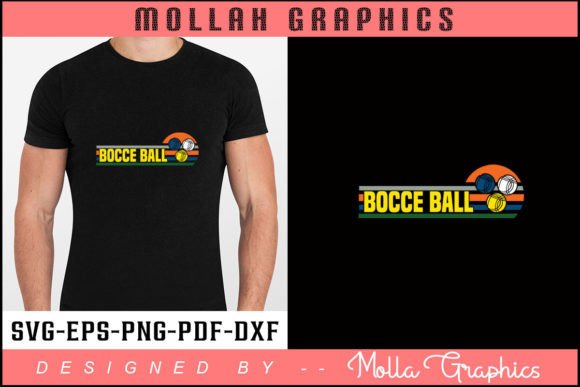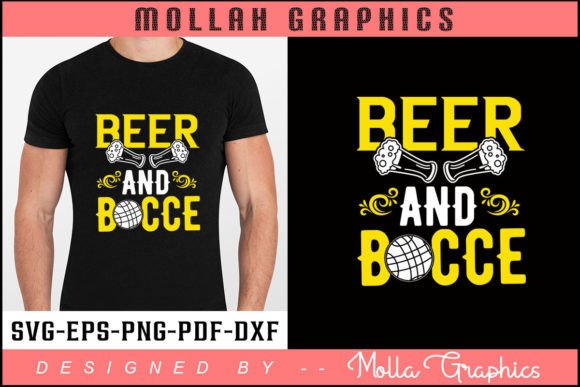
Reviewing the Beer and Bocce Typography Embroidery Design
When a design like the Beer and Bocce Typography T Shirt Design lands on my screen, my first thought isn't just about the file formats. It's about the thread. I picture how it will look stitched out, worn, washed, and gifted. This typography design, with its bold, playful fusion of two classic leisure activities, immediately sets a mood. It’s relaxed, celebratory, and unpretentious. The layout feels solid and balanced, perfect for a clean satin stitch treatment. Its visual personality is friendly and straightforward, making it a natural fit for casual, handmade products.
A Design That Stitches Up With Character
Imagine this scenario: you're preparing a custom embroidered tote bag for a client's bocce league fundraiser. You need something that reads clearly, feels fun, and stitches efficiently. This Beer and Bocce design fits that brief perfectly. The typography is large enough to be impactful, yet the letters aren't overly ornate, which is a blessing for embroidery. On a sturdy tote bag fabric, using a medium-weight stabilizer, this design would stitch out with excellent clarity. The bold letters would create a strong, professional-looking satin stitch border, while the internal fills would be solid and clean.
This isn't just a graphic; it’s a ready-made concept. For crafters and small business owners, that's valuable. You can immediately envision it on a sweatshirt for a backyard gathering, a patch on a cap for a casual team, or even a simple design on a kitchen towel for a themed gift. It creates instant recognition. A customer sees it and knows exactly what vibe it represents.
The Ideal Real-Life Embroidery Projects
This design performs beautifully for projects where a bold, clear statement is needed. It’s excellent for custom apparel like t-shirts and sweatshirts, where the larger scale of the typography won't get lost. On tote bags and aprons, it becomes a functional, decorative accent. For personalized products, like a gift for a friend who loves both beer and bocce, it adds a personalized touch without being overly sentimental.
For small business merchandise, such as items for an Etsy shop or craft fair booth selling themed goods, this design offers a ready-to-use asset. It helps build brand consistency if you're focusing on leisure or sport-themed products. As a holiday gift or a wedding gift for a couple with those hobbies, its appeal is direct and genuine. In terms of embroidery projects, it’s a strong candidate for standard commercial embroidery on polo shirts or caps for a social club.
From a business perspective, using a clean, well-defined design like this affects customer trust and engagement. The finished product looks intentional and professional, not haphazard. That handmade presentation feels confident, which increases perceived value and giftability.
Where This Design Demands a Bit More Care
While the design is robust, certain applications require thoughtful preparation. The primary consideration is scale. On very small items, like a baby clothes accent or a tiny patch, the lettering might lose definition if reduced too much. You'd need to check the smallest details carefully to ensure the letters remain distinct.
Stitching on textured fabrics, like a coarse sweater, or on highly stretchy fabric could pose challenges for the clean lines of the typography. A good, appropriate stabilizer is crucial here. Similarly, on dark fabric, you’ll need to plan your thread color contrast carefully—a light fill stitch against a dark background will make this design pop, but you must test it.
Embroidering on curved surfaces like caps requires attention to layout and possible digitizing adjustments to maintain the design's shape. Also, products that need frequent washing, like tea towels or activewear, benefit from a stable, dense stitch. You'd want to ensure the stitch density is sufficient to withstand laundering without fraying. These are not flaws of the design itself, but simply the practical realities of translating any digital graphic into physical thread.
Practical Notes for the Embroidery Designer
Before running this Beer and Bocce design on a final project, here are my standard practice notes:
- Always test on scrap fabric first. Use the same material and stabilizer as your final project.
- Check thread color contrast. Run a quick stitch-out in both light and dark thread on your intended background color to see which combination offers the best visual clarity.
- Review the stitch density in your software. Ensure it’s appropriate for your fabric—too dense can cause puckering, too light can look sparse.
- Confirm your hoop size. The design needs to fit comfortably within your hoop for a stable stitch.
- Inspect the small details. Look at the corners and intersections of the letters in your embroidery file preview to anticipate any stitching challenges.
- Use black and white mockups. Sometimes stripping away color helps you see the pure form and balance of the design.
- Consider the final use. If you're creating products for sale, always confirm the licensing terms for the digital embroidery file. Understand whether it's cleared for personal projects, commercial use, or both.
The product description mentions receiving SVG, EPS, PNG, DXF, and PDF files. For embroidery, you'll typically work from the vector formats (like SVG or EPS) to import into your digitizing or embroidery software. The inclusion of multiple formats is a plus, offering flexibility for different software and for creating printable mockups for your Etsy listings or digital product previews.
The Final Stitched Impression
In the end, the Beer and Bocce Typography T Shirt Design succeeds because it understands its role. It’s not an overly complex illustration; it's confident typography that carries a theme. When stitched, it will look crisp and engaging. It fits a niche—leisure, sport, casual celebration—perfectly. For embroidery designers, craft business owners, and makers looking for a design that translates easily from screen to stitch, and from stitch to a satisfied customer, this is a solid, practical choice. It’s the kind of design that gets ordered, stitched, and worn without a second thought, which is often the best review a design can get.