A Designer's Take on the 'Have a Magical Pi Day' Embroidery Design
The Immediate Charm of a Pi Day Project
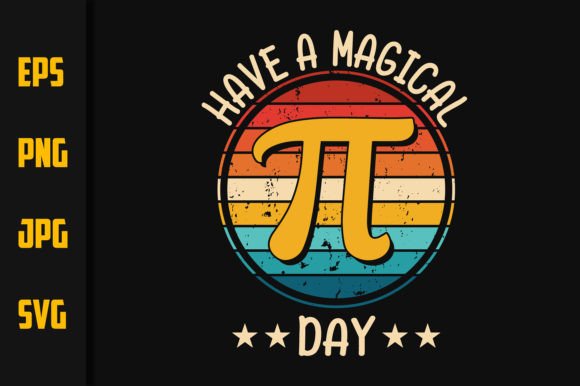
When I first opened the Have a Magical Pi Day T-shirt Design, I smiled. It's a clever bit of graphic design—thematic without being overly academic, playful without being childish. The vector nature of the files means the core artwork is crisp and scalable, which is the foundation for any good embroidery file. The mood it creates is one of lighthearted celebration, perfect for teachers, mathematicians, students, or anyone with a fondness for a little geeky fun. The layout feels balanced, and the detail level in the provided high-resolution PNG gives me confidence that I can assess the shapes before they become stitches.
Where This Design Finds Its Home in Real Projects
My mind immediately goes to practical application. This isn't just a graphic; it's a blueprint for a handmade product. I envision this as a standout piece on a collegiate-style sweatshirt or a cozy flannel shirt. The clean lines would translate beautifully into an embroidered patch, which could then be applied to a tote bag or a backpack for a unique, personalized gift. For a craft business owner, this design could anchor a limited-run Pi Day product line—think custom apparel like tea towels for the kitchen or apron for the baking enthusiast. The theme lends itself perfectly to holiday gifts around March, offering a niche product that feels thoughtful and specific.
For Etsy sellers and small shop product creators, the design’s inherent recognizability aids in buyer engagement. A customer searching for a "Pi Day gift" would be delighted to find a professionally embroidered item featuring this artwork, rather than a basic printed tee. It elevates the offering. I also think about baby embroidery on a little onesie for a math-loving family—using softer pastel threads to keep it sweet. The design's personality is flexible enough to feel appropriate on a pillow cover in a home office or stitched onto a kitchen towel as a fun decorative accent.
Considering Fabric and Form
Success in real-life embroidery situations depends on foresight. The provided file formats, especially the SVG and EPS, are ideal for adjusting scale, which is crucial. For a curved surface like a cap, I would likely simplify or enlarge certain elements to ensure stitching clarity. On textured fabrics like a sweater, a good stabilizer is non-negotiable to keep the clean shapes from getting lost. On thin or stretchy fabric, such as a standard t-shirt, I'd be cautious with the stitch density; a very dense fill stitch in the larger areas could make the garment stiff. Testing on scrap fabric first is always my rule.
For dark fabric, the design's effectiveness would hinge entirely on thread color contrast. A bold, light-colored thread palette would make it pop, but some of the finer details might need to be slightly adjusted for visibility. This is where the vector files are a gift—I can tweak the outline subtly if needed before creating my embroidery file.
Navigating the Practicalities for a Professional Finish
How does the Have a Magical Pi Day T-shirt Design affect the final product's value? A well-executed embroidery based on a clean source graphic significantly boosts perceived craftsmanship. It builds customer trust—they see a neat, precise stitch pattern, not a fuzzy print. For brand consistency, if your shop specializes in witty or intellectual themes, this design fits seamlessly into that narrative, enhancing your professionalism.
My practical notes as a designer reviewing this for use would be straightforward. First, I would run a test on my machine, even at a small hoop size, to check the behavior of any potential small corners or details in the lettering. Second, I would absolutely create both a light and dark fabric printable mockup to visualize the final product for my shop listings. Third, while the product description states the files are for the product to be printed, the vector origins suggest adaptability for machine embroidery design. However, the critical step is confirming the licensing terms for your intended use—whether for personal projects or commercial embroidery—before selling any finished items. This is a non-negotiable step for any digital embroidery file.
Where to Exercise Caution
This design should be used carefully on very small items where fine detail might be lost, like on the cuff of a sleeve or a tiny baby bib. The "magical" element and any intricate parts of the Pi symbol itself need space to breathe. Also, on products destined for frequent washing, such as kitchen linens, opting for robust thread and potentially a simpler stitch version of the design would ensure longevity. The goal is for the charm to last as long as the garment.
The Final Verdict for Makers and Entrepreneurs
From my point of view, the Have a Magical Pi Day T-shirt Design is a strong design asset. It has a clear theme, quality source files, and a visual personality that invites creative application. It’s a design that can move from a digital product preview to a physical, cherished object. For the hobbyist making a personalized gift, it’s a fun starting point. For the creative entrepreneur building a craft business, it’s a ready-to-use graphic that can be transformed into a premium, embroidered product with the right technical attention. The key, as always, is in the translation—from the screen to the stabilizer, to the hoop, to the fabric. With thoughtful setup regarding thread colors, fabric choice, and hoop size, this design can truly help you have a magical Pi Day project.