A Wolf Design for Wearable Craftsmanship
First Impressions: Where This Vintage Wolf Belongs
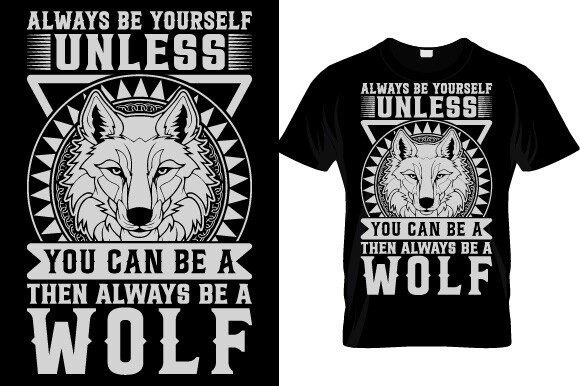
Opening the Wolf Vintage T Shirt Design, you get a sense of rugged, timeless character. It’s not just a graphic; it’s a motif with a story, perfect for projects that need a touch of wilderness or heritage. The layout feels balanced, with enough detail to be interesting but not so dense that it would become a stitching nightmare. My immediate thought was this would be stunning on a heavyweight cotton sweatshirt or a durable canvas tote bag—items where the design can become a focal point of the garment.
The mood is masculine but not aggressively so; it could easily work for a unisex custom apparel line or as a personalized gift for someone who loves nature themes. I pictured it embroidered on the back of a denim jacket or as a large centerpiece on a lounge pillow. For a small shop product, this design communicates quality and a handmade feel that’s beyond generic.
The Real-Life Project Test: Embroidered Tote Bag Scenario
Let’s walk through a real case. Imagine you’re preparing a custom embroidered tote bag for a boutique’s fall collection. You want a design that feels artisan, withstands use, and looks premium. The Wolf Vintage T Shirt Design comes to mind. On a natural canvas bag, the wolf’s silhouette would pop with a crisp satin stitch outline, while the interior details could be rendered with a lighter fill stitch for texture without overwhelming the fabric.
You’d consider stitch density carefully here. Canvas is thick, but a very dense fill might make the area stiff. A practical approach would be to use this design with some open areas or to convert smaller details into simpler running stitches. The result would be a bag that feels crafted, not printed, adding significant product value and customer trust in your handmade presentation.
Performance Across Embroidery Projects
This design’s versatility in real-life embroidery situations is its strong suit. On a fleece-lined hoodie, the vintage aesthetic pairs beautifully with the cozy fabric. For a baby embroidery item, like a keepsake blanket, you’d likely scale it down and simplify the most intricate lines, turning it into a gentle, symbolic piece rather than a literal illustration.
As an embroidered patch, it would be exceptional. Applied to a backpack or cap, the design gains a collectible, badge-like quality. For holiday embroidery gifts—think a father’s Christmas apron or a set of rustic kitchen towels—it hits that note of personalized, thoughtful craftsmanship. In a commercial embroidery context, such as a line of branded merch for an outdoors company, it provides ready-made, professional design assets that align with a certain brand consistency.
Where to Exercise Caution: Fabric and Scale
While the Wolf Vintage T Shirt Design is adaptable, some applications require a designer’s careful eye. On thin or stretchy fabric like a standard t-shirt, a large, detailed version might need significant stabilizer and a lighter stitch count to prevent puckering and maintain fabric drape. Small hoop sizes could be problematic if the design has any tiny, intricate corners; scaling it down too much might lose definition.
Dark fabric backgrounds demand high-contrast thread choices. The vintage feel often relies on softer, muted tones, but on a black sweatshirt, you might need to brighten the palette slightly to maintain visual appeal. Embroidering on curved surfaces like caps requires testing the layout to ensure it fits the available space without distortion. Always remember, products destined for frequent washing need robust stitching; consider reinforcing any potentially loose ends.
Impact on Your Craft Business and Customer Engagement
Using a design with this much character directly affects your project’s reception. It elevates a simple item into a handmade product with narrative. For an Etsy seller or small shop owner, this translates into better buyer engagement. Customers aren’t just buying a mug; they’re buying a wolf motif mug that feels unique and artisan-crafted. This boosts giftability and recognition.
For digital product sellers offering printable mockups, this design serves as a strong, thematic foundation for mockups of t-shirts, mugs, and totes, helping potential buyers visualize the final product. It lends professionalism to your portfolio. However, the licensing for commercial use of the finished items must be confirmed with the original product files—a crucial step before selling.
Practical Designer Notes Before You Hoop
Before committing this design to a client project or your craft fair inventory, run these practical checks. First, always test the design on scrap fabric of the same type you’ll use. This reveals how the fabric texture interacts with the details. Check thread color contrast by viewing the design in both black and white mockups to plan for light and dark backgrounds.
Review the provided embroidery file for overall stitch density and identify any areas that might need manual adjustment for your specific hoop size. Inspect small details closely; sometimes a fine line in a graphic needs to be translated into a slightly thicker satin stitch for clarity in the stitched finished product. Use the proper stabilizer for your substrate—this is non-negotiable for clean results.
Finally, confirm the design’s suitability for both personal and commercial projects based on the included license. Whether you’re creating a one-off personalized gift or a line of small shop merchandise, knowing the rules protects your business and respects the creator.
The Final Stitch: A Design with Crafted Potential
The Wolf Vintage T Shirt Design, from the category of Print Templates and Graphics, proves to be more than a digital file. It’s a starting point for meaningful embroidery work. It fits where craftsmanship is valued—on durable bags, cozy apparel, heartfelt gifts, and branded products. Its vintage personality brings a ready-made story to your needle, inviting you to adapt it with practical embroidery wisdom for a result that feels both professional and personally crafted. Your next step is to match it with the right project, fabric, and thread, transforming a graphic into a textured, wearable piece of art.