Evaluating Gym Fight Tshirt Design for Small Business Branding
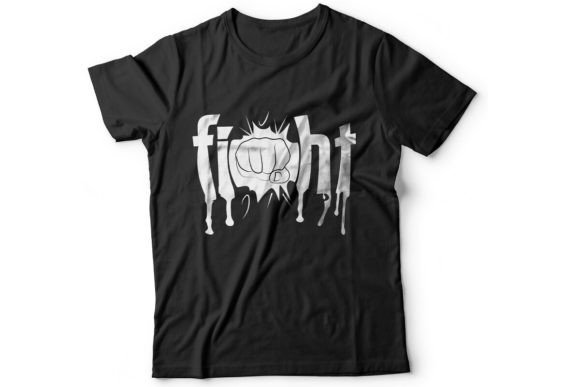
My first encounter with the Gym Fight Tshirt Design graphic was one of immediate clarity. It presents itself not just as a t-shirt template, but as a versatile asset with a distinctly bold, assertive mood. The minimalist approach suggests a brand personality that is confident, energetic, and modern. This isn’t a soft, decorative piece; it’s a graphic that commands attention. For a real-world client project—say, a local fitness supplement shop, a boutique athletic apparel line, or even a dynamic coffee roaster targeting an active community—this design asset could form the cornerstone of a visual identity that feels strong and focused.
The Immediate Brand Impression: Confidence and Clarity
When reviewing any design asset for commercial use, I assess what silent message it broadcasts. The Gym Fight Tshirt Design leans into a contemporary, no-fuss aesthetic. It suggests a business that values straightforward communication and a premium, results-oriented feel. It wouldn’t suit a rustic handmade soap brand or a feminine floral boutique, but for businesses built on strength, energy, or modern simplicity—from a gym itself to a health-focused food label or a children’s activewear line—this graphic establishes a powerful starting point.
Applying the Asset to Real Local Business Projects
For my hypothetical client, a new local craft brewery with a bold, “fight-for-flavor” ethos, this graphic becomes more than a t-shirt design. It’s a brand design asset ready for adaptation. The core visual could be instantly leveraged as a secondary logo mark for limited-edition cans, providing a strong graphic anchor on the packaging design. Its clean lines would translate perfectly onto product labels for a co-branded energy bar, creating immediate shelf appeal through clearer visual hierarchy.
Beyond the bottle or box, this printable sublimation design unlocks cohesive promotional material. Imagine it scaled down for hang tags on apparel, enlarged as a hero graphic on a seasonal campaign poster in the taproom, or used as a watermark on business cards and thank-you cards. For social media graphics, cropping elements of the design creates instant, recognizable banners and ads that build a more consistent brand identity across digital and physical touchpoints.
Where This Graphic Strengthens Business Presentation
The practical value of a well-chosen graphic design asset lies in its amplification of professionalism. Using the Gym Fight Tshirt Design across a client’s ecosystem creates a stronger first impression. On a product mockup, it elevates a simple mug or pil into a branded merchandise item that feels intentional. On a flyer or menu board, it provides a visual anchor that improves customer trust by signaling a polished, deliberate brand.
For packaging design, especially in competitive spaces like food or skincare, this asset can be the key to better product recognition. A simplified version might serve as a decorative brand element on the corner of a candle box or a recurring pattern on a coffee bag’s printable insert, forging a stronger emotional connection through repeated, quality visuals.
Optimal Applications for Maximum Impact
In my review, I identify several prime uses for this asset in a small business branding project. It works exceptionally well as a product label focal point, especially for items with ample space. It shines as a packaging accent on tags or seals. Its bold nature makes it ideal for promotional banners in-store or online, and for creating standout social media campaign graphics during a product launch. For a seasonal product campaign—like a summer energy drink—this design could be adapted for limited-edition seasonal packaging, giving the promotion a unique, cohesive look.
Considerations for Strategic and Safe Usage
A seasoned brand designer always notes where an asset should be applied with caution. The Gym Fight Tshirt Design, given its potentially dominant nature, should be used carefully on very small labels where detail might be lost. It could overwhelm crowded product packaging already heavy with text or ingredients. It’s not suited for legal information areas or formal corporate branding documents where decoration competes with critical text.
Furthermore, on low-contrast backgrounds, its impact could diminish. For a luxury minimalist brand aiming for utter quietness, this graphic might introduce an unwanted assertive tone. The key is to treat it as a supporting brand element, not the sole carrier of all textual information.
Essential Designer Notes Before Client Implementation
Before committing this asset to a real client’s brand identity, I run through a practical checklist. First, test it on real packaging mockups—see how it looks on a physical bag or box. Check black and white usage for any potential fax or official document needs. Crucially, preview it on small labels to ensure readability. I test it with the brand’s color palette and compare it with competitor packaging to gauge its unique shelf appeal.
Since it’s offered as a printable design, I verify print quality at various sizes. If files are provided as SVG or vector formats, I inspect editability for necessary client customization. I also test it beside different font styles—a serif, a sans serif, a script—to ensure it harmonizes with the brand’s typography for marketing visuals. Finally, and most importantly, I confirm the commercial licensing terms explicitly, ensuring it’s cleared for use in client work, physical product sales, and all intended commercial design applications.
From Digital Product to Tangible Brand Trust
The journey of the Gym Fight Tshirt Design from a marketplace graphic to a trusted brand element is about strategic application. For the local business owner, the marketer, or the handmade seller looking to level up their presentation, this asset represents a tool. When integrated thoughtfully into logo design, product label systems, and promotional visuals, it moves beyond being just clipart or a Canva template. It becomes part of a narrative that conveys professionalism, energy, and confidence—key ingredients for building a memorable local business in any community.