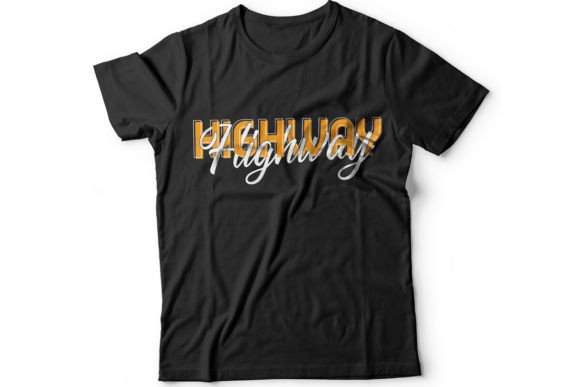
Highway Minimalist T Shirt Design: A Graphic Asset for Clean Print Templates
As a brand designer reviewing assets for client projects, my first impression of the Highway Minimalist T Shirt Design is one of quiet direction. It evokes a modern, travel-informed aesthetic that feels intentional rather than decorative. For a local business, this suggests a brand personality that is contemporary, focused, and subtly adventurous. It leans more towards an elegant and modern mood than a playful or rustic one, making it a candidate for businesses that want to convey sophistication with a hint of narrative.
First Impressions: When Modern Minimalism Meets Local Business Branding
When I consider this graphic design asset for a real project, say a boutique coffee roaster or a curated home decor shop, the mood it creates is clean and confident. It doesn't scream for attention; it assumes it. This is useful for businesses that want their product packaging to feel premium and thoughtfully designed, not loud or handmade. The design’s inherent simplicity allows it to serve as a strong accent rather than the entire story, which is often what effective packaging design needs.
From T-Shirt Graphic to Comprehensive Brand Identity Applications
The true test of a design asset is its adaptability across a brand’s entire visual ecosystem. The Highway Minimalist T Shirt Design, while presented as a print template, holds potential far beyond apparel. In a practical branding project for a local skincare brand or a floral studio, this asset could be seamlessly integrated into several key areas. Its clear lines and minimalist form make it an excellent secondary graphic for product labels, especially on the backs or sides of bottles or boxes where a decorative element is needed without clutter.
For packaging design, it could serve as a recurring pattern on a hang tag for a candle brand or a subtle watermark on a bakery’s paper bag. In promotional materials, it becomes a versatile hero graphic for social media campaign visuals, website banners announcing a new collection, or even the background texture for a menu in a modern cafe. When creating business cards or thank-you cards, this element could frame the text or anchor the layout, providing a consistent visual thread that strengthens brand identity.
Strengthening Business Presentation Through Consistent Visuals
Using a cohesive graphic asset like this across touchpoints does more than make things look nice. It builds customer trust through a more professional and intentional presentation. On product packaging, a well-placed minimalist graphic can create clearer visual hierarchy, guiding the eye to the product name and key details. This leads to better shelf appeal in a competitive retail environment. For marketing visuals on social media or flyers, it elevates the polish, making a small business’s promotional efforts feel integrated and deliberate, fostering a stronger emotional connection with the audience who recognizes that consistent visual language.
Optimal Applications for the Minimalist Highway Graphic
This asset works best when used as a supporting character. Think of it as a brand’s signature accent. For a food label, it could beautifully flank the product title on a jar of artisan honey. As a packaging accent, it might be repeated along the seal of a box for handmade soap. It excels as a decorative brand element on boutique shopping bags or as the central graphic for a seasonal campaign poster for a children’s product brand, suggesting journeys and discovery. Its scalability makes it ideal for large format items like promotional banners at a local market or smaller, intimate touches like the corner detail on a price list or a printable insert for online orders.
Where to Apply Caution with This Design Style
Despite its flexibility, some applications require careful consideration. The intricate, linear nature of a minimalist highway design might become lost or muddy on very small labels, such as on a spice jar where text is paramount. On crowded product packaging already filled with ingredient lists, certifications, and usage instructions, adding it could compete rather than complement. It should be avoided in legal information areas or on low-contrast backgrounds where readability is crucial. For luxury minimalist brands that rely on utter simplicity and negative space, this specific decorative element might feel too pronounced. The key is to ensure it serves the message, not distracts from it.
Practical Brand Designer Notes Before Client Implementation
Before committing this asset to a client’s commercial design project, a series of real-world tests are essential. Always test it on actual packaging mockups—see how it looks on a mug, a t-shirt, and a pill bottle as the original description suggests, but also on your client’s specific product formats. Check its integrity in black and white for potential single-color printing scenarios. Preview it scaled down to the size of a small sticker or tag to ensure detail retention.
- Test it alongside your client’s brand colors to ensure harmony.
- Compare it visually with competitor packaging to gauge its uniqueness.
- If using vector files, inspect the SVG editability for color changes or minor adjustments.
- Review PNG transparency edges for clean overlays on marketing visuals.
- Print a sample at the intended size to check final print quality.
- Test the graphic beside various font styles—a serif font for elegance, a sans-serif for modernity, a script for softness—to find the best typographic partner.
- Above all, confirm the commercial license explicitly allows use for client work, physical product sales, and business branding before any public rollout.
Integrating a graphic like the Highway Minimalist T Shirt Design into a local business’s brand identity is about elevating the mundane into the memorable. For the small business owner, the handmade seller, or the boutique owner, this asset isn’t just a clipart; it’s a tool to build a more coherent and compelling visual world. When applied thoughtfully—on product labels, social media graphics, and packaging design—it helps transform a simple product into a branded experience, fostering recognition and trust that every creative entrepreneur strives to achieve.