A Festive & Fuzzy Holiday Embroidery Review
The Warm & Fuzzy First Impression
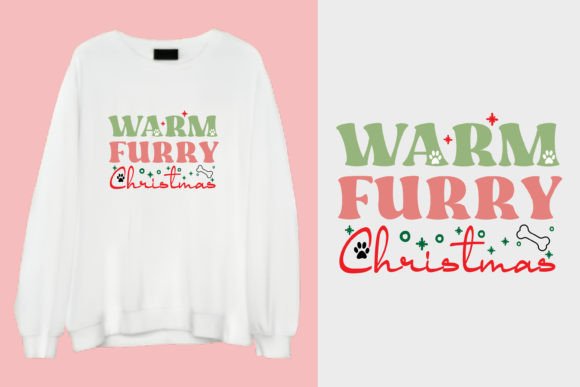
When you first see Christmas Tshirt - Warm Furry Christmas, the immediate feeling is cozy and whimsical. It’s not a stern, traditional holiday motif; it leans into a playful, almost nostalgic warmth. The design seems to invite a tactile experience—you can imagine the stitches creating a soft, textured finish. From a designer’s perspective, this visual personality is a strong starting point. It doesn’t scream loud commercialism; it whispers handmade charm, which is a valuable quality for crafters and small shop owners. My gut tells me this embroidery design belongs on items meant for close contact: a family’s holiday sweatshirt, a cherished baby’s first Christmas blanket, or a cozy pillow cover for the living room. It feels like a design you’d give as a gift, not just sell as a product.
Where This Design Shines in Real Projects
Let’s walk through a real scenario. Imagine you’re preparing a custom embroidered tote bag for a December craft fair. You want something that stands out but feels personal. Christmas Tshirt - Warm Furry Christmas, with its friendly, fuzzy theme, would be a perfect candidate. Stitched onto a natural canvas bag, the design would become a feature, not just a decoration. The same logic applies to sweatshirt embroidery—it would sit beautifully on a left chest or as a central back design, creating a premium, boutique product feel. For baby items, like a holiday romper or a nursery blanket, the design’s inherent softness translates well; it’s cheerful without being overpowering.
Thinking broader, this embroidery file has strong potential for personalized gifts. A client might request it on a set of kitchen towels for a mother, or as a custom patch on a winter cap. Its appeal is in its approachable, almost cuddly aesthetic. For Etsy sellers and digital product sellers, this means the design can be marketed not just as a graphic, but as an experience—the promise of a warm, handmade holiday item. In printable mockups for your store, it would likely attract buyers looking for that specific, heartfelt vibe.
Commercial Use and Customer Engagement
For commercial embroidery projects, such as small batch runs for a local boutique’s holiday merchandise, this design adds value through its handmade presentation. It looks crafted, not factory-made. This builds customer trust and can enhance brand consistency for a shop that prides itself on authentic, creative goods. The giftability factor is high; products adorned with this design feel ready to be given, wrapped with a ribbon. From a purely practical standpoint, its clarity and likely balanced layout (assuming it’s well-constructed) should stitch out with good definition, making the finished product look professional and engaging to a buyer’s eye.
Caution Areas: Where to Be Careful
No design is universally perfect, and a thoughtful review requires noting the potential pitfalls. With a theme like “Warm Furry Christmas,” there might be intricate details or text elements that need careful handling.
- Small Hoop Sizes: If the design is large or has fine details, forcing it into a tiny hoop for, say, a baby cap might compress elements and lose clarity.
- Textured or Stretch Fabrics: On very textured knits or stretchy sweatshirt fleece, any small lettering or delicate lines could become distorted. Proper stabilizer choice is critical here.
- Dark Fabric Backgrounds: The mood of the design suggests lighter, warmer thread colors. On dark fabrics, you must ensure your thread color palette has enough contrast to pop—a quick test on scrap fabric is essential.
- Dense Stitch Areas: If the design uses heavy fill stitches to create the “furry” effect, stitch density could be high. On thin t-shirts or lightweight tote bag material, this might cause puckering or a stiff feel.
- Curved Surfaces: Applying it to a curved surface like a cap requires checking the design’s layout. Do elements cluster in a way that will sit well on a curve? Always test first.
The key is to match the design to the product’s physical constraints. It might be ideal for a flat, stable pillow cover but a challenge for a tightly curved, structured cap.
Practical Notes for the Working Designer
Before you commit this design to a client project or your own craft business inventory, run through this checklist.
- Always test the embroidery file on scrap fabric of the same type you plan to use. Check for thread coverage, stitch clarity, and any unexpected jumps.
- Review the stitch density visually in your software. Does it look balanced? Are there overly dense areas that might need adjustment?
- Confirm the required hoop size. Does it fit your standard project sizes?
- Inspect small details. Zoom in. Are there tiny corners or lettering that might vanish or blur when stitched?
- Create black and white mockups, and compare how it looks on both light and dark fabric backgrounds in your digital previews. This helps plan your thread inventory.
- Use the proper stabilizer for your chosen fabric. This design’s success hinges on a clean stitch presentation.
- Critically, check the licensing terms provided by the seller. Is this design cleared for commercial use, allowing you to sell the finished embroidered products on Etsy, at craft fairs, or as part of your small shop merchandise? If the product description doesn’t specify, you must seek clarification. Never assume.
These steps transform a digital graphic into a reliable, profitable embroidery project.
The Final Verdict on Project Fit
Christmas Tshirt - Warm Furry Christmas strikes me as a design with strong emotional resonance. It’s not just a graphic; it’s a mood setter. For embroidery designers and makers aiming to create products that feel special, personal, and gift-worthy, it’s a compelling choice. Its natural home is on cozy, tactile items—sweatshirts, tote bags, blankets, pillow covers, and holiday-themed apparel. It would likely perform beautifully in projects where handmade presentation directly translates to perceived value.
However, its application requires a designer’s diligence. Pay attention to fabric choice, hoop size, and stitch density to ensure the final stitched result honors the design’s warm, fuzzy intent. As a machine embroidery design intended for real-world use, it seems poised to create delightful finished products, provided you treat it with the practical respect any embroidery asset deserves. For the crafter, hobbyist, or creative entrepreneur, it offers a path to a product that customers will not only buy but will cherish—and that’s the ultimate marker of a good design.